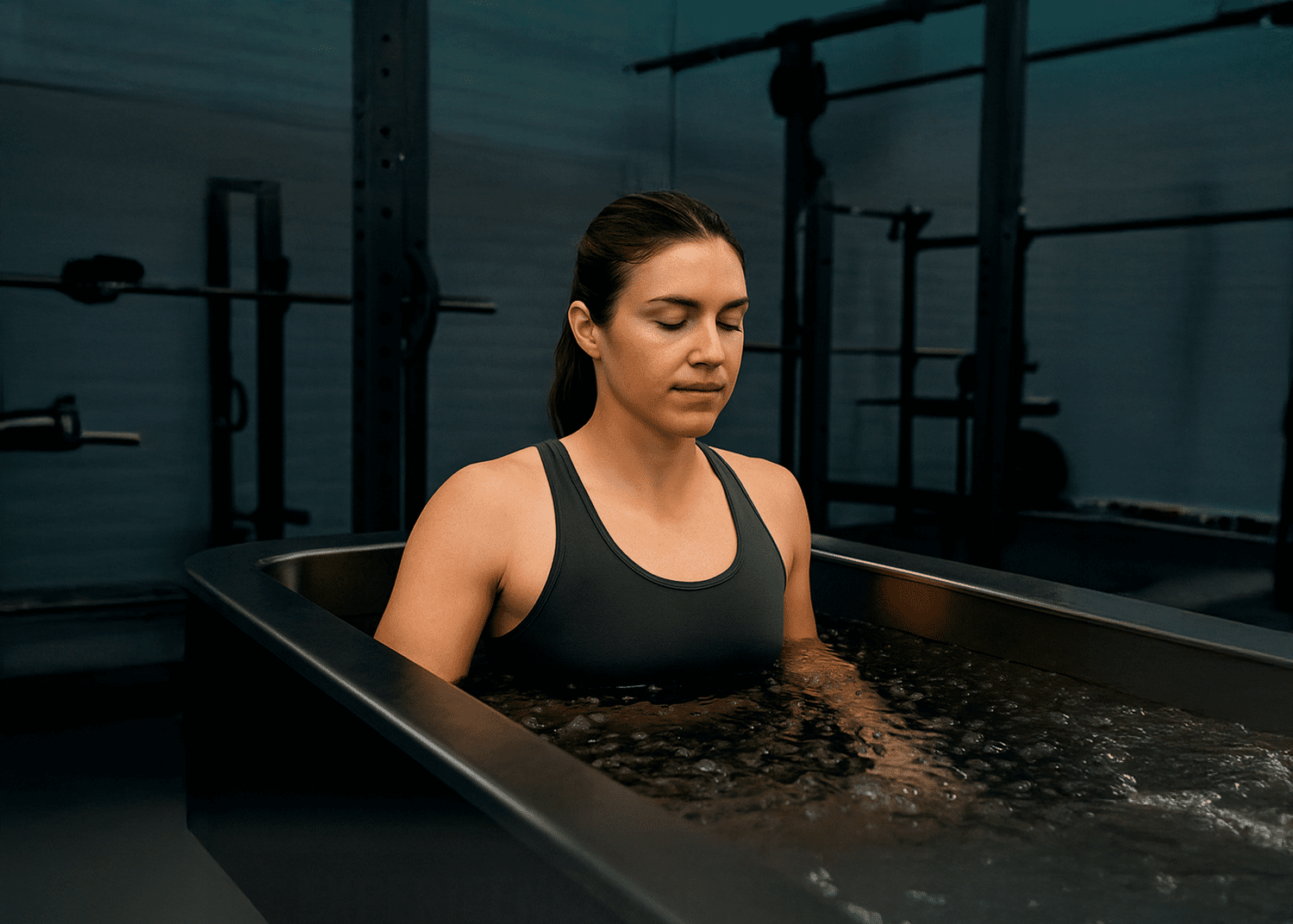
Recovery is part of training, not a separate hobby. The cold plunge at Extreme Fitness sits in the recovery area for exactly that reason: a short, simple reset that fits around the rest of your week.
What the cold plunge is for
The gym lists a range of reasons members use cold water: reduced muscle soreness, faster recovery, improved circulation, improved metabolism, increased alertness, better mood and reduced stress and anxiety. It also lists improved resilience — the mental side of getting into cold water and staying calm.
Those are the benefits the gym describes. Your own experience will depend on your training, sleep, stress and how you use the plunge. It is not a substitute for food, sleep or a sensible training plan.
Start with less than you think
There is no universal duration that suits every person. Start with a short dip that feels manageable, get out, and see how you feel later. A smaller dose you repeat is more useful than one heroic session you dread.
The team at the front desk can tell you how the recovery area works and what to expect on a first visit. Ask before you get in rather than guessing.
Breathe first
The first seconds are the loudest. Ease in, let your breathing settle, and keep your shoulders relaxed. If your breathing does not settle, or you feel dizzy, light-headed or unwell, get out.
Cold exposure is a stressor. The point is to stay calm while your body responds, not to prove that you can ignore what your body is telling you.
Where it fits in a training week
Most members use the plunge after training or on a recovery day. Keep it separate from the main work of the session: train, cool down, then recover. If you are training again soon, pay attention to how the plunge affects your next session and adjust.
Recovery is cumulative. The basics — sleep, enough food, hydration and a plan you can repeat — do more over a month than any single protocol.
Know when to skip it
Cold water is not right for everyone. If you have a heart condition, are pregnant, or are unsure how your body will respond, speak with your doctor before using the plunge. Ask a coach if you want help fitting it into your training.
Skip the plunge if you are already unwell, if you feel faint, or if the idea of pushing through is stronger than your ability to stay calm. Recovery should leave you feeling better, not wrecked.
A simple routine
Decide on a short duration. Get in. Breathe. Get out before you are miserable. Dry off and go on with your day.
If you want a timer that keeps the session honest, use the plunge timer on this site. It counts down, beeps at the end and keeps your last duration so you can repeat the same session next time.
Recovery is a tool, not a test of toughness. Use the dose that lets you train again.
Try it now
Plunge Timer
Pick a preset or set your own time, start, pause and reset. Your last duration is remembered for next time.
This guide is general information, not medical advice. Ask a coach or your doctor before changing your training.